Bulking Roadmap is your ultimate guide to gaining muscle, improving strength, and staying consistent on your fitness journey. Muscle building is not a sprint; it’s a marathon.
1. Bulking Roadmap: Diet & Nutrition for Sustainable Muscle Gain
1.1 Mindset & Approach
- Bulk gradually and with patience. Building quality muscle mass is not a quick process; it requires dedication and consistency over time. Avoid rushing or dramatically increasing calories, as this can lead to unnecessary fat gain, digestive discomfort, and frequent trips to the washroom.
- Commit to a long-term plan. Sustainable results come from a 12–18 month (1–1.5 years) clean bulking phase. This timeframe allows your body to adapt, build solid muscle, and minimize unwanted fat.
- Aim for steady progress. Target a realistic weight gain of 1–1.5 kg per month, ensuring that most of the increase comes from lean muscle rather than fat.
1.2 Meal Frequency & Digestion
Maintain a daily calorie surplus of 300–400 calories—enough to grow steadily
- Don’t rely solely on three large meals; instead, opt for 5–6 balanced meals spread throughout the day to support better digestion, consistent energy, and easier calorie intake.
- Take a short walk after each meal to improve nutrient absorption and prevent bloating.
- If appetite is an issue, introduce calorie-dense liquids such as smoothies or shakes—drinking your calories can be more manageable than eating large portions.
1.3 Food Choices for Clean Muscle Gain
- Focus on high-calorie, low-volume foods: peanut butter, dates, full-fat milk, white rice, bread, dry fruits, and pumpkin seeds. These options provide more energy without making you feel overly full.
- Keep protein intake at 1.5 grams per kg of body weight. Avoid excessive protein consumption, as it can increase satiety and suppress appetite(“Protein Intake for Muscle Growth” – Examine.com).
- Increase carbohydrates throughout the day for energy and recovery while maintaining healthy fat intake.
- Choose gut-friendly foods. Avoid anything that causes discomfort, bloating, or digestion issues.
- Stay committed to a clean bulk—focus on whole, nutrient-rich foods. Avoid “dirty bulking,” which leads to poor-quality weight gain.
- Consider adding a mass gainer only if necessary. Limit this to 200–300 calories per day and continue to prioritize whole food sources.
2. Bulking Roadmap: Training & Workout Principles
2.1 Mindset & Consistency
- Enjoy your training. The secret to lasting results is finding joy in the process—when you enjoy your workouts, consistency becomes second nature.
- Track your daily habits. Monitor your training, nutrition, and recovery, making adjustments where necessary. Remove distractions or obstacles that might derail your progress.
- Stay focused on one goal at a time. During your bulking phase, prioritize muscle building over other fitness activities such as Zumba or excessive cardio.
2.2 Training Frequency & Volume
- Train each muscle group 2–3 times per week for optimal hypertrophy.
- Aim for 12–20 working sets per muscle group per week, distributed across sessions.
- For example: focus on 20 sets of chest, 15–16 sets for biceps, and 14 sets for back during the week.
- Train close to failure. The final few reps, where you feel the burn and your muscles are truly challenged, are what stimulate growth.

Muscle Building is slow process and patience is the key
Bulking isn’t about doing everything; it’s about doing the right things.
- Choose exercises wisely. Focus on proven, effective compound movements and essential isolation lifts.
- Avoid excessive variation. Stick to a consistent program—even if it feels repetitive—to track progress and improve execution.
- You can split of Push , Pull and Legs.
- Always include warm-up sets and dynamic stretches to prepare muscles and reduce injury risk.
- Don’t over train—quality over quantity. Excessive training can lead to fatigue, poor sleep, and impaired recovery.
- Develop a strong mind-muscle connection. Focus on feeling the targeted muscle engage before increasing weight.
- Include 3 cardio sessions per week to maintain cardiovascular health and adaptability as body weight increases.
3. Bulking Roadmap: Pre-Workout Strategies
- Boost performance naturally:
- Drink beetroot juice 30–35 minutes before training for improved blood flow and pump.
- Add ¼ teaspoon of salt in water 30–35 minutes pre-workout to enhance hydration and endurance.
- You can also have good amount carbs 40-45 mins before your workout session
4. Bulking Roadmap: Progressive Overload
Progressive overload is a fundamental training principle that involves systematically and gradually increasing the stress placed on your muscles during exercise. The goal is to continually challenge your body, encouraging adaptation that leads to increased strength, muscle growth, and overall fitness.
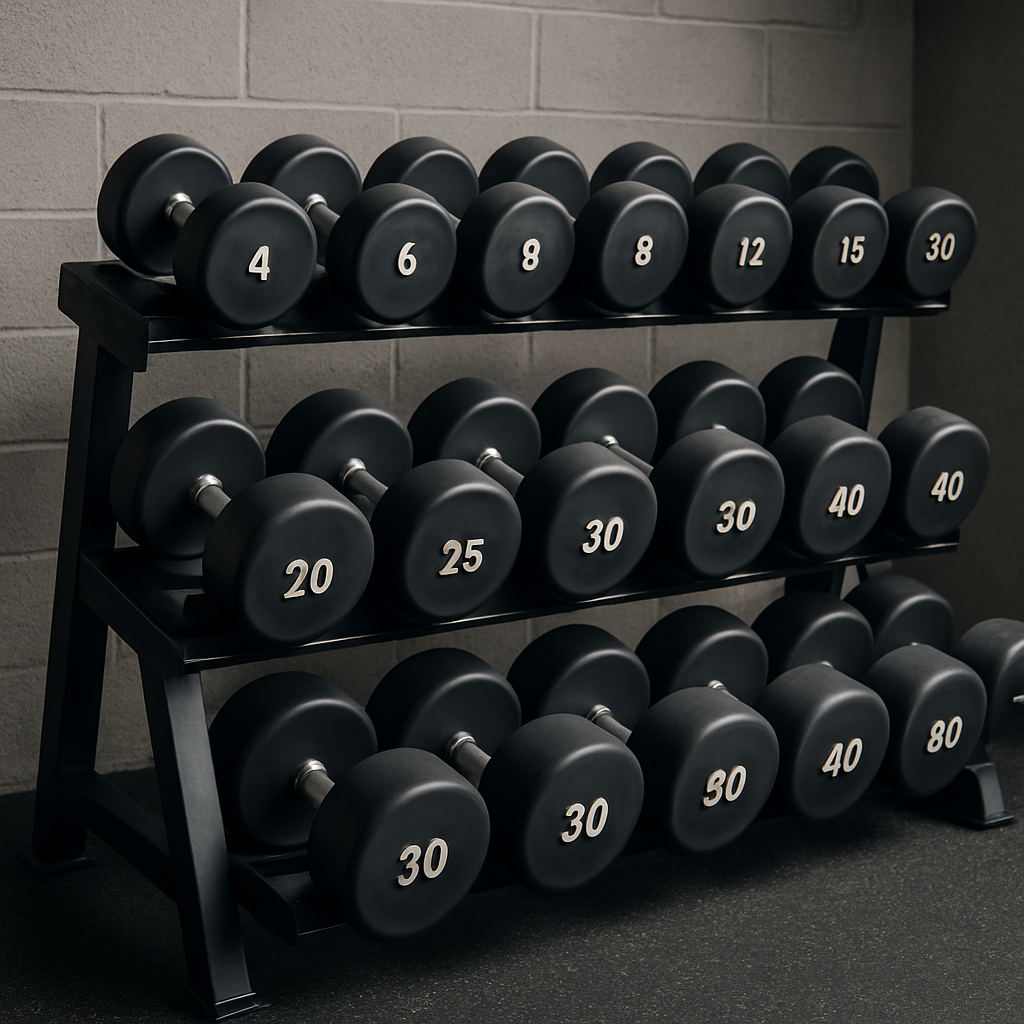
- Progressive overload isn’t just about adding weight.
- Focus on improving form, reps, time under tension, and control before increasing the load.
Final Words on Your Bulking Roadmap
Try to customize workout session and gym timings according to your lifestyle , this makes the process sustainable and adhere the plan
Don’t quit. Make your training and nutrition a part of your lifestyle. Over time, consistency turns effort into habit—so even on unmotivated days, you’ll still show up. Trust the process, stay disciplined, and the results will follow.
We’re a gaggle of volunteers and opening a brand new scheme in our community. Your site provided us with helpful info to work on. You’ve done an impressive process and our entire community will likely be grateful to you.
Thank You